O Ano Novo é uma época de grandes festividades nos países bálticos. Na Lituânia, desfrutam-se de muitas tradições antigas e maravilhosas. O evento principal acontece na praça da Catedral de Vilnius, onde o sino da catedral toca até a meia-noite. Os lituanos dizem: “Kaip sutiksi naujus metus, taip juos ir praleisi” (a maneira como você recebe o Ano Novo é a maneira como você o passa). As pessoas escrevem seus arrependimentos em guardanapos e os jogam no fogo, além de se envolverem em outras superstições curiosas. As famílias desfrutam de um banquete com kugelis (pudim de batata), Šaltiena (aspic de carne), linguiças defumadas, arenque e Šakotis (biscoitos de mel) como sobremesa.
Na Roménia, na véspera de Ano Novo, uma tradição duradoura é a da “Capra”. Uma pessoa vestida de cabra dança entre as pessoas ao som de flautas e outros instrumentos. As cabras são vistas como animais de sorte. Na véspera de Ano Novo, os romenos também participam do Plugușorul (o pequeno arado). Homens vestidos com trajes especiais carregam um arado até cada casa, entoando versos específicos. É uma celebração barulhenta e animada, e muitos acreditam que traz sorte para o ano novo. O que os romenos comem no Ano Novo? Nenhum Ano Novo está completo sem Sarmale! Este prato é basicamente um charuto de repolho recheado com carne de porco, arroz e ervas, mas é delicioso e difícil de preparar. As camadas de repolho simbolizam as camadas de prosperidade. Também se come no Ano Novo o Cozonac, um pão doce feito com nozes, cacau e passas. O Pftie, uma gelatina de carne de porco servida fria, e a salada de boeuf, feita com carne cozida, cenouras, picles e maionese, também são consumidos nas casas romenas. Por fim, nenhum ano novo na Roménia está completo sem assistir aos fogos de artifício e comer as 12 uvas à meia-noite, símbolo de prosperidade.
O Ano Novo em Riga, na Letónia, é uma experiência memorável. Nesta época do ano, os famosos mercados de Natal deste país báltico permanecem abertos. Nas praças Dom e Livu, pode-se saborear vinho quente com especiarias e pão de gengibre, além de artesanato local. Um espetacular show de fogos de artifício na véspera de Ano Novo pode ser apreciado às margens do rio Daugava. É possível subir ao belíssimo Castelo de Riga para assisti-lo ou atravessar a ponte de pedra. A Catedral de Riga também é uma ótima opção de visita nesta época do ano. Para brindar ao Ano Novo, os letões bebem o bálsamo negro de Riga, um delicioso licor de ervas.
A seguir, vamos analisar algumas tradições estonianas para a véspera e o dia de Ano Novo. Na Estônia, acredita-se que mergulhar nas águas geladas lava o mal e prepara a pessoa para um próspero ano novo! Os pratos típicos da véspera de Ano Novo incluem carne de porco, chucrute, geleia de lingonberry e cranberry, gelatina de carne, morcela e pão de gengibre. É comum haver até 12 pratos dispostos nas mesas para os convidados. A comida que sobra costuma ser guardada em pratos para os mortos, uma antiga tradição. Pendurar coroas de Ano Novo é um costume popular na Estônia. Elas são feitas com ovos pintados, fios, batatas, tiras de tecido e outros materiais, e são usadas como decoração. O Näärid (véspera de Ano Novo) é um feriado importante na Estônia, especialmente porque durante a época soviética o Natal foi suprimido ao máximo pelo regime Soviético. O é verdade nos outros países bálticos.
Agora, vamos examinar as tradições da Croácia na região dos Balcãs. No Ano Novo, comem-se deliciosos donuts recheados com geleia, chamados “Krafne”. As crianças cantam canções de porta em porta e recebem dinheiro como recompensa. Certos animais são evitados na mesa de jantar. Entre eles, a galinha, pois ela arranha para trás com os pés, o que é considerado um sinal de má sorte; os coelhos, que correm para a frente, outro sinal de mau presságio; e os peixes, pois “flutuam para longe” a prosperidade. A carne de porco é o alimento mais consumido na véspera de Ano Novo, pois, segundo a sabedoria popular, simboliza prosperidade. As lentilhas também simbolizam dinheiro e também são consumidas. Por fim, recomenda-se não varrer a casa nem levar o lixo para fora na véspera de Ano Novo, pois isso “perturba os ancestrais” e “afasta a sorte”.
Esta é apenas uma pequena amostra das muitas tradições dos países Bálticos e dos Balcãs. Há muitas outras nações que poderiam ser mencionadas, mas o autor quis apenas dar uma pequena ideia da celebração do Ano Novo nessas duas regiões, com apenas alguns países representativos. Que todos tenhamos um ótimo Ano Novo!
Bibliografia:
https://baltictours.com/new-year-celebration-in-the-baltic-countries
https://party.alibaba.com/newyear/how-does-lithuania-bring-in-the-new-year
https://www.balkantrails.com/everything-you-need-to-know-about-the-balkan-way-of-celebrating-the-new-year-legend-traditions-food/#elementor-toc__heading-anchor-0
https://www.rentalapartments.lv/en/why-spend-new-years-eve-in-riga-latvia
https://folkways.today/estonian-holidays/#New_Years_Day
https://inavukic.com/2015/12/30/croatian-new-years-day-some-traditions-beliefs-and-superstitions/
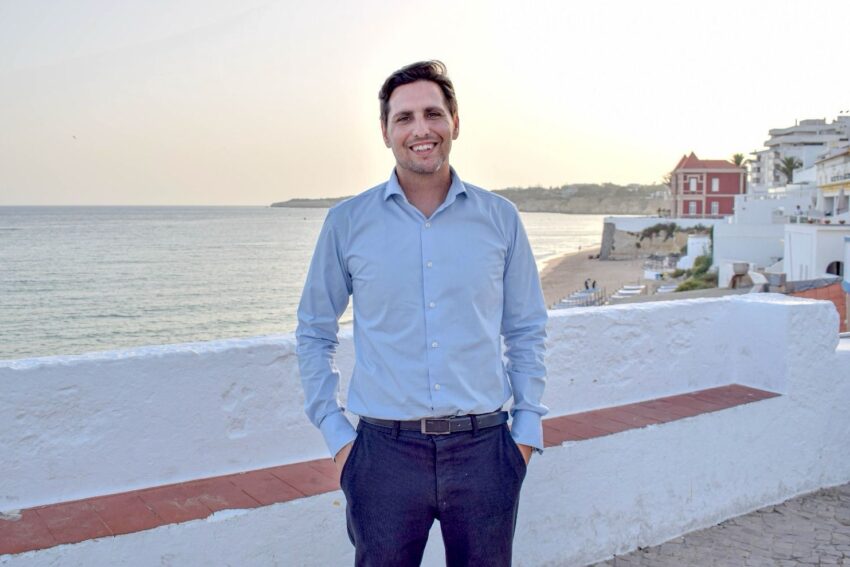
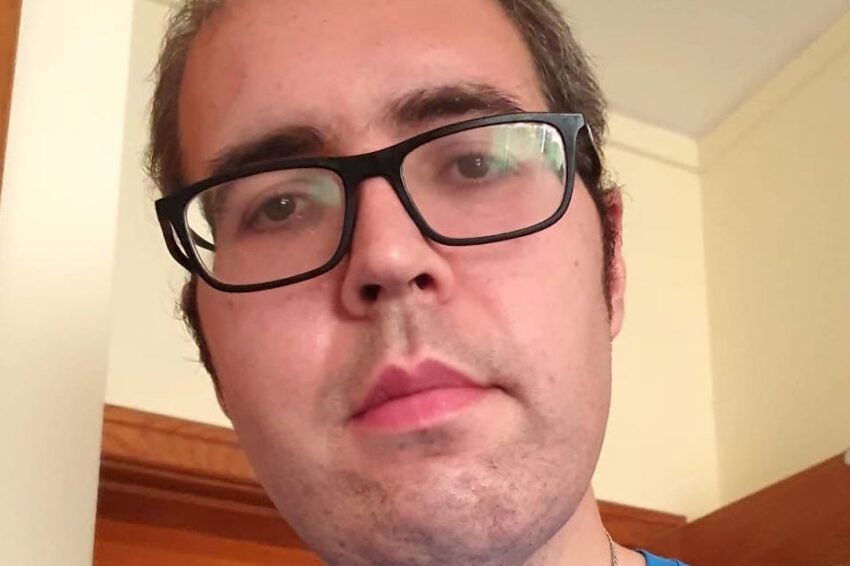
Biografia do autor do artigo: Rafael Kopp Alvarez Procopiak nasceu no Brasil. Brasília, Distrito Federal. Iniciou estudos em Washigton, DC onde cumpriu o pré-escolar e o início da educação primária. Nessa época, acompanhou os pais (ambos diplomatas) juntamente com as duas irmãs. Em seguida, a família foi transferida para Moscou, onde prosseguiu os estudos na American School. De volta ao Brasil, continuou na American School em Brasília. Nos anos seguintes, viveu na Argentina, México e Canadá.
Na Argentina, prosseguiu os estudos na ST.George’s School, escola inglesa vinculada ao sistema educacional britânico. No México, cursou parte da secundária na “Greengates School”, também de orientação britânica, e no Canadá , Toronto, finalizou a secundária. Em Montreal, ingressou e concluiu o Bachelor’s degree in Psichology, onde foi destacado na Dean’s Letter dentre os 100 melhores estudantes da Universidade. (Concordia University) Rafael também colaborou como voluntário se integrando na equipe de boas vindas aos novos alunos apresentando o campus da universidade. Em Potugal, Faro, trabalhou também como voluntário na charitable borganization “Existir”. Como parte do programa de Mestrado em Turismo, que concluiu na Unviversidade do Algarve, Rafael foi co-autor de artigos publicados em revista britânica especializada em lazer e turismo.
New Year’s Eve!
The new year is a time of great festivities in the Baltics. In Lithuania one enjoys many ancient and wonderful traditions. The main event is held in Vilnius Cathedral square where the Cathedral bell counts until midnight. Lithuanians say:”Kaip sutiksi naujus metus, taip juos ir praleisi” (the way you’ll meet the new year is the way you will spend it). People will write their regrets on napkins and toss them into the fire, and engage in other curious superstitions. Families eat a feast of kugelis (potato pudding), Šaltiena (meat aspic), smoked sausages, herring, and Šakotis and honey cookies for dessert.
In Romania in New years eve an enduring tradition is that of the “Capra”. A person is dressed as a goat which then dances about among people with flutes and instruments. Goats are seen as lucky animals. In New years eve Romanians also engage in Plugușorul (the little plow). Men dressed in special costumes carry a plough to each house chanting special verses. It is loud and boisterous and believed by many to bring luck for the new year. What do Romanians eat in the new years? No new years is complete without Sarmale! This dish is basically cabbage rolls stuffed with pork, rice, and herbs but is delicious and difficult to prepare. The layers of cabbage signifiy the layers of prosperity. Also eaten in the new year is Cozonac, a sweet bread made with nuts, cocoa and raisin. Pftie is also eaten in Romanian homes, a pork jelly served cold, and Bouef salad, made from boiled beef, carrots,pickles and mayonnaise. Finally no new years in Romania is complete without watching the fireworks and eating the 12 grapes at midnight for prosperity.
New years in Riga, Latvia is a memorable experience. In new years the famous Christmas markets of this Baltic nation are still open. In Dom and Livu square one may enjoy hot mulled (spice) wine and gingerbread as well as local crafts. Spectacular fireworks on new years eve can be experienced by the Daugava river. One can climb up the beautiful Riga castle to experience them, or walk the stone bridge. One can visit the beautiful Riga cathedral at this time o year as well. For toasting the new years, people in Latvia drink Riga black balsam, a wonderful herbage liqueur.
Next let us survey some Estonian traditions for the new years eve and day. In Estonia it is widely believed that plunging in the icy cold waters washes off evil and prepares one for a prosperous new year! New years eve dishes are popularly pork, saurkraut, lingonberry and cranberry jam, meat jelly, blood sausage, and gingerbread. It is common to have up to 12 plates set up in tables for guests. Food is often leftover in dishes for the dead, an old tradition from antiquity. Hanging new years crowns is a popular Estonian custom. These are made with painted eggs, yarn, potatoes, fabric strips, and so forth and are placed as decorations. Näärid (New years eve) is an important holiday in Estonia, especially since during Soviet times Christmas was suppressed by the Soviet regime as much as possible. The same is true in the other Baltic states.
Now to examine traditions of Croatia in the Balkan region. In the new years delicious jelly donuts named “Krafne” are eaten. Children sing carols on door to door and are given money as a reward. Certain animals are avoided in the dinner table. These include chicken since it scratches backwards with its feet which is taken as a sign of bad luck, rabbits which run forward another sign of ill omen, and fish since they “float away” with prosperity. Pork is the most often eaten food in new years eve since it signifies prosperity in folk wisdom. Lentils also signify money and are also eaten. Finally it is asdvised not to sweep the house or take out trash on new years eve since this “disturbs the ancestors” and “sweeps out luck”.
This is merely a small slice of the many traditions in both the Baltics and Balkans. There are many more nations which could be discussed but the writer wanted merely to give a small taste of new years eve in both these regions with only a few representative countries. May we all have a good new year!
Bibliography
https://baltictours.com/new-year-celebration-in-the-baltic-countries
https://party.alibaba.com/newyear/how-does-lithuania-bring-in-the-new-year
https://www.balkantrails.com/everything-you-need-to-know-about-the-balkan-way-of-celebrating-the-new-year-legend-traditions-food/#elementor-toc__heading-anchor-0
https://www.rentalapartments.lv/en/why-spend-new-years-eve-in-riga-latvia
https://folkways.today/estonian-holidays/#New_Years_Day
https://inavukic.com/2015/12/30/croatian-new-years-day-some-traditions-beliefs-and-superstitions/
Author biography: Rafael Kopp Alvarez Procopiak was born in Brazil. Brasília, Federal District. He began his studies in Washington, DC, where he completed pre-school and early elementary school. At that time, he accompanied his parents (both diplomats) along with his two sisters. The family then moved to Moscow, where she continued her studies at the American School. Back in Brazil, she continued at the American School in Brasilia. In the following years, he lived in Argentina, Mexico and Canada.
In Argentina, he continued his studies at ST.George’s School, an English school linked to the British education system. In Mexico, he attended part of secondary school at the Greengates School, also British, and in Canada, Toronto, he finished secondary school. In Montreal, he entered and completed his Bachelor’s degree in Psychology, where he was featured in the Dean’s Letter as one of the university’s top 100 students. (Concordia University) Rafael also worked as a volunteer on the team welcoming new students and introducing them to the university campus. In Potugal, Faro, he also worked as a volunteer for the charitable organization “Existir”. As part of the Master’s programme in Tourism, which he completed at the University of the Algarve, Rafael co-authored articles published in a British magazine specializing in leisure and tourism.

O Europe Direct Algarve faz parte da Rede de Centros Europe Direct da Comissão Europeia. No Algarve está hospedado na CCDR Algarve – Comissão de Coordenação e Desenvolvimento Regional do Algarve.
CONSULTE! INFORME-SE! PARTICIPE! Somos a A Europa na sua região!
Newsletter * Facebook * Twitter * Instagram