
No dia 17 de fevereiro começou o Ano Novo Vietnamita, também conhecido como “Tet”. Este ano é o Ano do Cavalo. Embora semelhante em muitos aspectos ao Ano Novo Chinês, o Tet também é diferente em muitos outros. O Tet é o feriado mais importante para a maioria dos vietnamitas, assim como o Ano Novo Chinês é para seus vizinhos na China. Este ano é o ano do Cavalo. O Cavalo é considerado um bom signo, suas características são força, energia, liberdade e perseverança. Os signos compatíveis com o Cavalo são os do Tigre, Cão e Cabra. Os inimigos do Cavalo são o Rato e o Boi. De modo geral, acredita-se que o ano do Cavalo seja um ano de boa sorte em comparação com os outros signos possíveis. Vamos discutir algumas tradições do Tet.
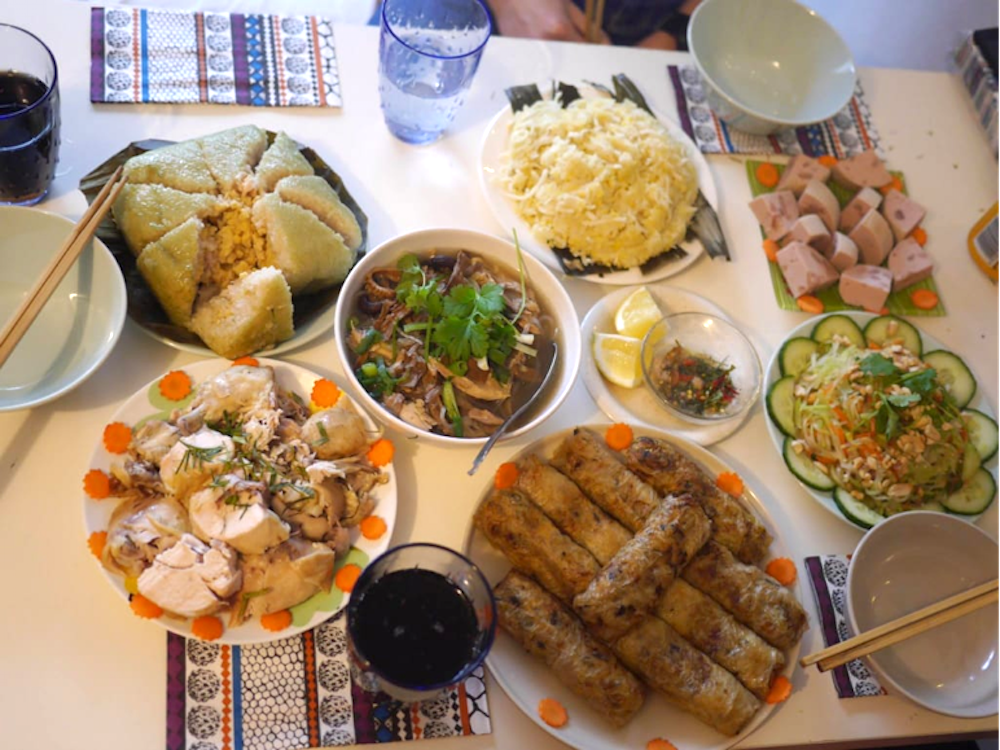
As casas são decoradas com flores de damasco amarelas ou flores de pêssego rosa. Os alimentos que são frequentemente consumidos incluem Bánh Chưng (bolo de arroz quadrado) e Bánh Tét (bolo de arroz cilíndrico). O Banh Chung, um bolinho de arroz quadrado recheado com arroz glutinoso, purê de feijão mungo e carne de porco temperada, é um prato imperdível durante o Tet. Também são consumidos pratos caramelizados com carne de porco, camarão ou frango. Frios deliciosos são essenciais na mesa do Tet: Gio thu (queijo), Gio bo (linguiça macia de carne bovina e endro) e Cha mo (patê de carne de porco e bacon cozido no vapor e frito até ficar crocante), além do Gio lua (linguiça macia tradicional). Todos esses itens podem ser encontrados em delicatessens vietnamitas. O Tet vietnamita também oferece uma deliciosa variedade de picles para degustar.
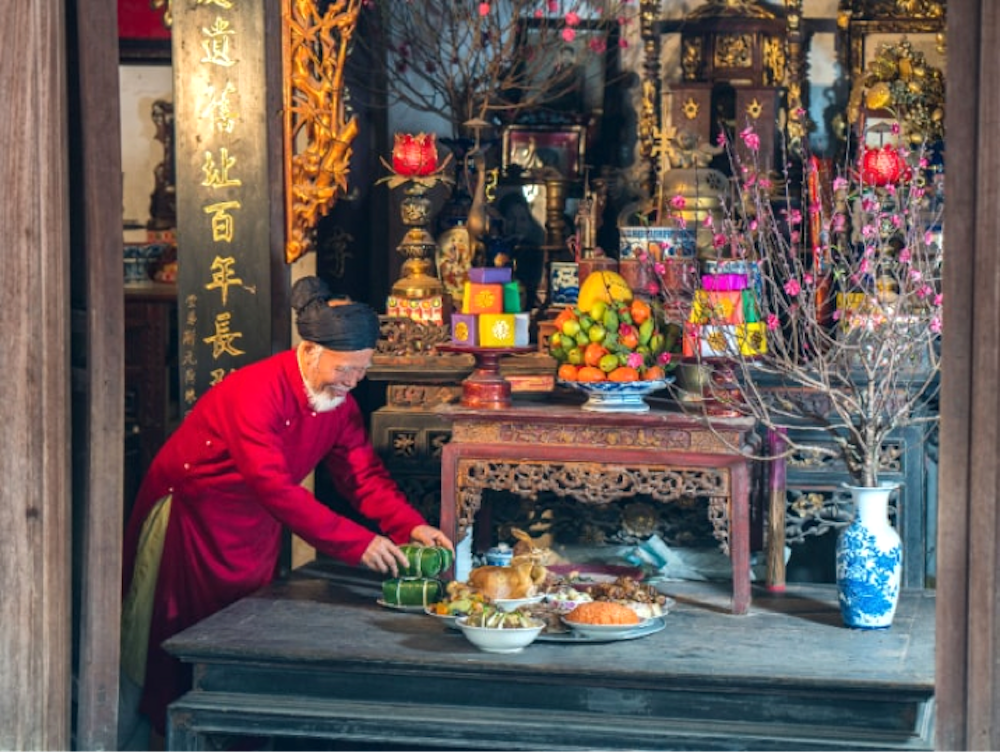
Além das delícias culinárias do Tet, o esplendor dos fogos de artifício asiáticos é imperdível tanto na China quanto no Vietnã, uma tradição verdadeiramente secular. Da varanda do Frasier Suites, é possível assistir aos fogos de artifício durante o Tet em toda a sua glória. Certas frutas são associadas à boa sorte, como o coco. Durante o Tet, é comum consumi-las em forma de bebida. As famílias vietnamitas compram flores de pêssego, kumquat e laranjeiras para decoração. As cores vermelha e amarela são consideradas de sorte e trazem prosperidade durante o Tet. É estritamente proibido, durante o Tet, que alguém que perdeu um amigo ou familiar visite outra pessoa (um tabu). Assim como na Europa, é proibido varrer a casa durante o Tet, pois varrer simboliza “varrer a sorte para longe”. O culto aos ancestrais é um costume muito importante para muitos vietnamitas. Bandejas com cinco frutas frescas são colocadas em altares dedicados aos ancestrais, e incenso é aceso em sua homenagem. O bolo Chung também é colocado no altar. No Tet, existe a tradição do “Xông đất”, ou seja, a primeira pessoa a entrar na casa no primeiro dia do ano novo. É ele quem decide a prosperidade da família durante o ano.
A celebração do Ano Novo no Vietname é, de fato, um evento maravilhoso que atrai turistas e apreciadores do mundo todo em busca de um vislumbre da cultura asiática. Que todos nós possamos experimentar os costumes e tradições desta nação incrível, pois são ricos e variados!
Bibliografia:
https://chinesenewyear.net/zodiac/horse
https://www.vietworldkitchen.com/blog/2009/01/special-foods-for-tet-celebrations.20html
https://bizivietnam.com/the-unique-traditions-of-vietnamese-new-year-festival/
https://www.myvietnamvisa.com/vietnamese-new-year-tet-holiday-dates-animals-food-and-traditions.html
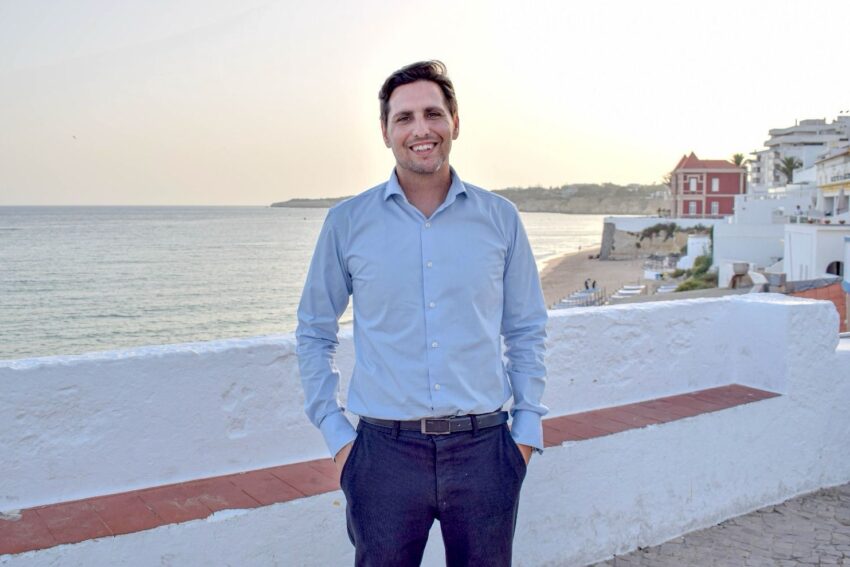
Biografia do autor do artigo: Rafael Kopp Alvarez Procopiak nasceu no Brasil. Brasília, Distrito Federal. Iniciou estudos em Washigton, DC onde cumpriu o pré-escolar e o início da educação primária. Nessa época, acompanhou os pais (ambos diplomatas) juntamente com as duas irmãs. Em seguida, a família foi transferida para Moscou, onde prosseguiu os estudos na American School. De volta ao Brasil, continuou na American School em Brasília. Nos anos seguintes, viveu na Argentina, México e Canadá.
Na Argentina, prosseguiu os estudos na ST.George’s School, escola inglesa vinculada ao sistema educacional britânico. No México, cursou parte da secundária na “Greengates School”, também de orientação britânica, e no Canadá , Toronto, finalizou a secundária. Em Montreal, ingressou e concluiu o Bachelor’s degree in Psichology, onde foi destacado na Dean’s Letter dentre os 100 melhores estudantes da Universidade. (Concordia University) Rafael também colaborou como voluntário se integrando na equipe de boas vindas aos novos alunos apresentando o campus da universidade. Em Potugal, Faro, trabalhou também como voluntário na charitable borganization “Existir”. Como parte do programa de Mestrado em Turismo, que concluiu na Unviversidade do Algarve, Rafael foi co-autor de artigos publicados em revista britânica especializada em lazer e turismo.
The Year of the Horse!
This February 17th commences the Vietnamese New Year also known as the “Tet”This year is the Year of the Horse. While similar in many ways to the Chinese new year, the Tet is also different in many ways. Tet is the most important holiday for most Vietnamese much like the Chinese new year is for their neighbours in China. This year is the year of the Horse. The Horse is considered a good sign, its characteristics are strength, energy, freedom, and perseverance. Compatible with the Horse are individuals born under the sign of the Tiger, Dog, and Goat. Enemies of the Horse are the Rat and Ox. Generally speaking the Horse is held to be a year of good luck in comparison with the other possible signs. Let us discuss some Tet traditions.
Homes are decorated with yellow apricot blossoms or pink peach blossoms. Foods that are often eaten include Bánh Chưng (square rice cake) and Bánh Tét (cylindrical rice cake). Banh Chung, A square shaped rice package of sticky rice, mung bean puree and seasoned pork, is a must eat for the festivity. Also eaten in Tet are caramel dishes with pork or alternatively shrimp or chicken. Delicious cold cuts are a must also for the Tet table: Gio thu (cheese), Gio bo (silky beef and dill sausage) and Cha mo (steamed pate of pork and lardons that’s fried to a crisp), also Gio lua (basic silky sausage). All of these can be bought in a Vietnamese deli shop. Vietnamese Tet also has a delicious assortment of pickles to be tasted.
Aside from the culinary delights of the Tet the splendour of Asian fireworks are a must see in Both China and Vietnam, truly a centuries old tradition. From the balcony of the Frasier Suites one can watch fireworks during the Tet Season in their full glory. Certain fruits are associated with good luck such as the coconut. During the Tet these are frequently drunken. Vietnamese families buy peach blossom, kumquat and orange trees for decorations. The colours Red and Yellow are considered “lucky” and to bring prosperity in the Tet season. It is strictly forbidden during Tet for somebody who has lost a friend or family member to visit somebody else during the Tet (a taboo). Much like in Europe, it is forbidden to sweep the house during the Tet since sweeping symbolizes “sweeping away luck”. Ancestor worship is a very important custom for many Vietnamese. Freshly cut 5-fruit trays are placed in ancestors altars, and incense is lit for the ancestors. The Chung cake is also placed on the tray altar for the ancestors. In the Tet there is a tradition of the ”Xông đất” or first person to enter the house in the first new year day. He is the one who will decide the families prosperity for the year.
The New Year celebration in Vietnam is indeed a wonderful event which attracts tourists and connoisseurs from all over the world seeking a glimpse of Asian culture. May we all have a taste of this wonderful nation’s customs and traditions for they are rich and varied!
Bibliography:
https://chinesenewyear.net/zodiac/horse
https://www.vietworldkitchen.com/blog/2009/01/special-foods-for-tet-celebrations.20html
https://bizivietnam.com/the-unique-traditions-of-vietnamese-new-year-festival/
https://www.myvietnamvisa.com/vietnamese-new-year-tet-holiday-dates-animals-food-and-traditions.html
Author biography: Rafael Kopp Alvarez Procopiak was born in Brazil. Brasília, Federal District. He began his studies in Washington, DC, where he completed pre-school and early elementary school. At that time, he accompanied his parents (both diplomats) along with his two sisters. The family then moved to Moscow, where she continued her studies at the American School. Back in Brazil, she continued at the American School in Brasilia. In the following years, he lived in Argentina, Mexico and Canada.
In Argentina, he continued his studies at ST.George’s School, an English school linked to the British education system. In Mexico, he attended part of secondary school at the Greengates School, also British, and in Canada, Toronto, he finished secondary school. In Montreal, he entered and completed his Bachelor’s degree in Psychology, where he was featured in the Dean’s Letter as one of the university’s top 100 students. (Concordia University) Rafael also worked as a volunteer on the team welcoming new students and introducing them to the university campus. In Potugal, Faro, he also worked as a volunteer for the charitable organization “Existir”. As part of the Master’s programme in Tourism, which he completed at the University of the Algarve, Rafael co-authored articles published in a British magazine specializing in leisure and tourism.
Leia também: Véspera de Ano Novo! | Por Rafael Procopiak [em português e inglês]

O Europe Direct Algarve faz parte da Rede de Centros Europe Direct da Comissão Europeia. No Algarve está hospedado na CCDR Algarve – Comissão de Coordenação e Desenvolvimento Regional do Algarve.
CONSULTE! INFORME-SE! PARTICIPE! Somos a A Europa na sua região!
Newsletter * Facebook * Twitter * Instagram